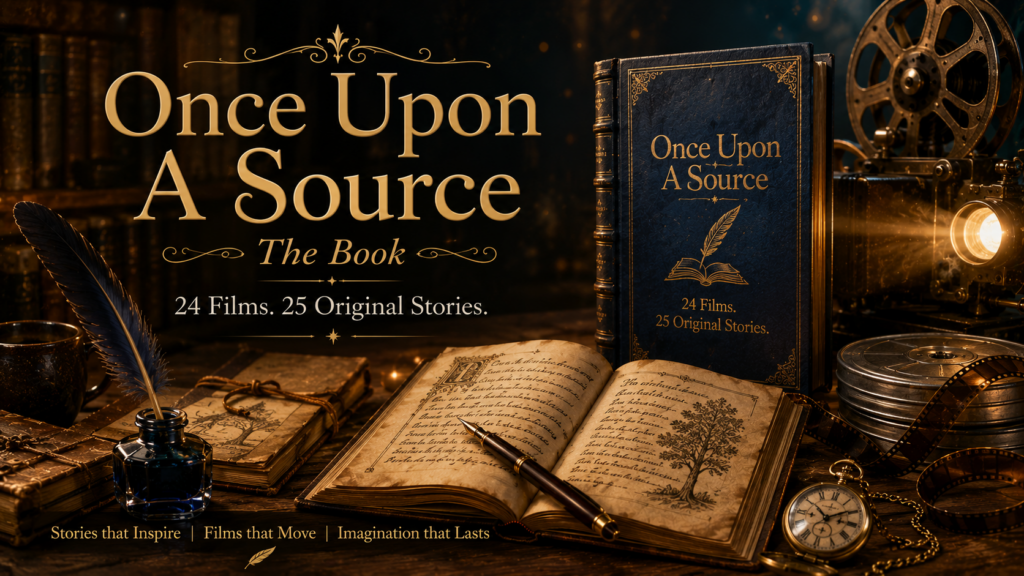
The Book
24 Films. 25 Original Stories. One Book.
Every Disney animated film, paired with the fairy tale, myth, novel, or poem that inspired it — and exactly what changed along the way.
About the Book
Once Upon a Source is a 24-chapter journey through the stories behind the Disney films you already know. Each chapter takes one animated classic and sets it side by side with the book, fairy tale, myth, or poem that inspired it — walking through what stayed the same, what changed, and why.
It’s written for Disney fans who want more than trivia, for teachers looking for a fresh way into literary analysis, and for anyone who’s ever wondered what a story looked like before Hollywood got to it. No prior knowledge of the source material required — just curiosity.
This isn’t a book about ranking movies against their originals. It’s a book about following a story as it travels — through centuries, across languages, through different tellers with different purposes — and landing, finally, on a movie screen.
“These stories came from somewhere. That somewhere is usually darker, stranger, and more interesting than the movie.”
The Full Collection
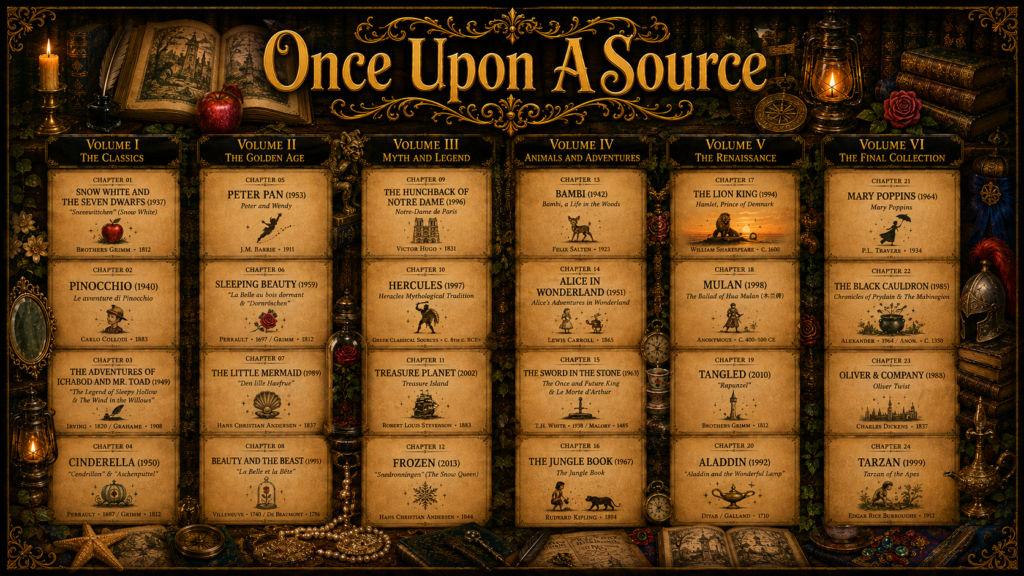
The 24 Films
Start with Chapter 1 — free — or head to the shop for the full collection.
Chapter Preview
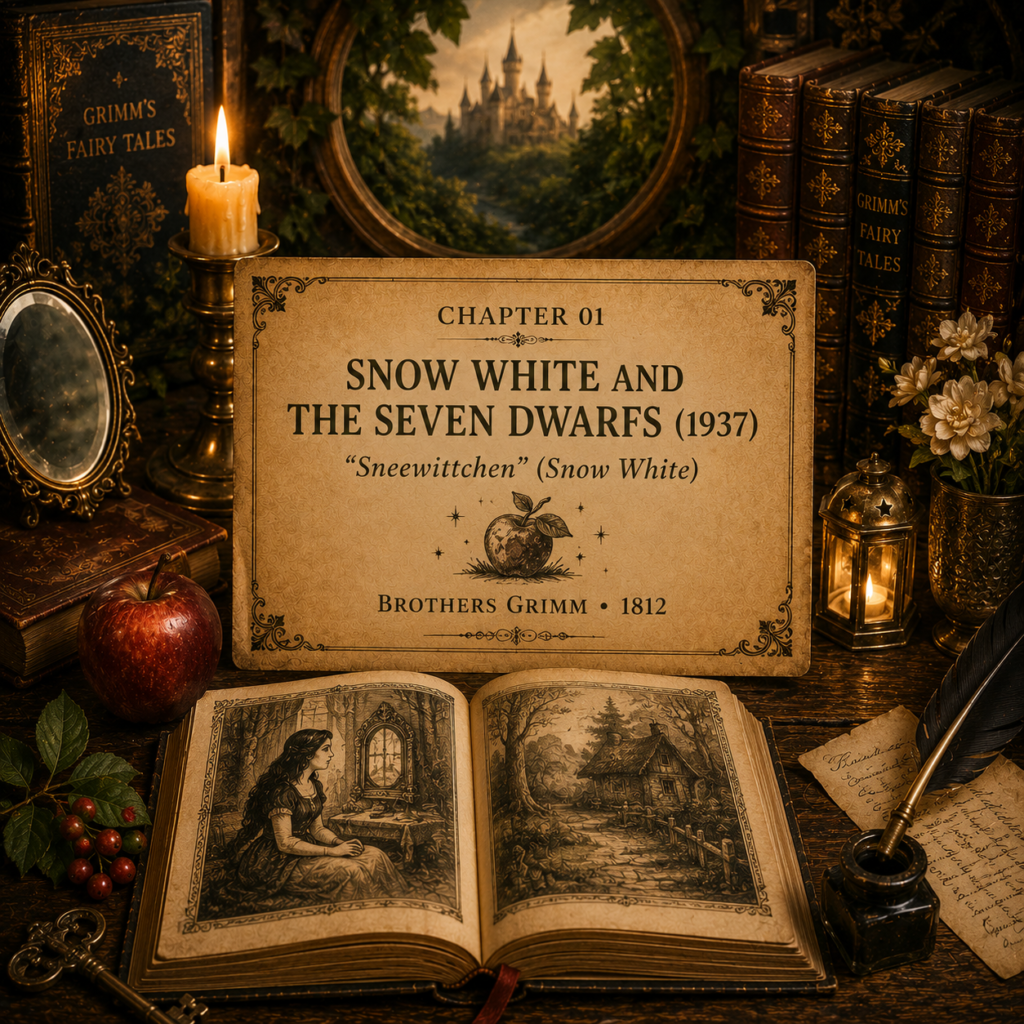
Chapter 01: Snow White and the Seven Dwarfs (1937) and its literary source, “Sneewittchen” (Snow White) by the Brothers Grimm, 1812.
Buy Other Chapters
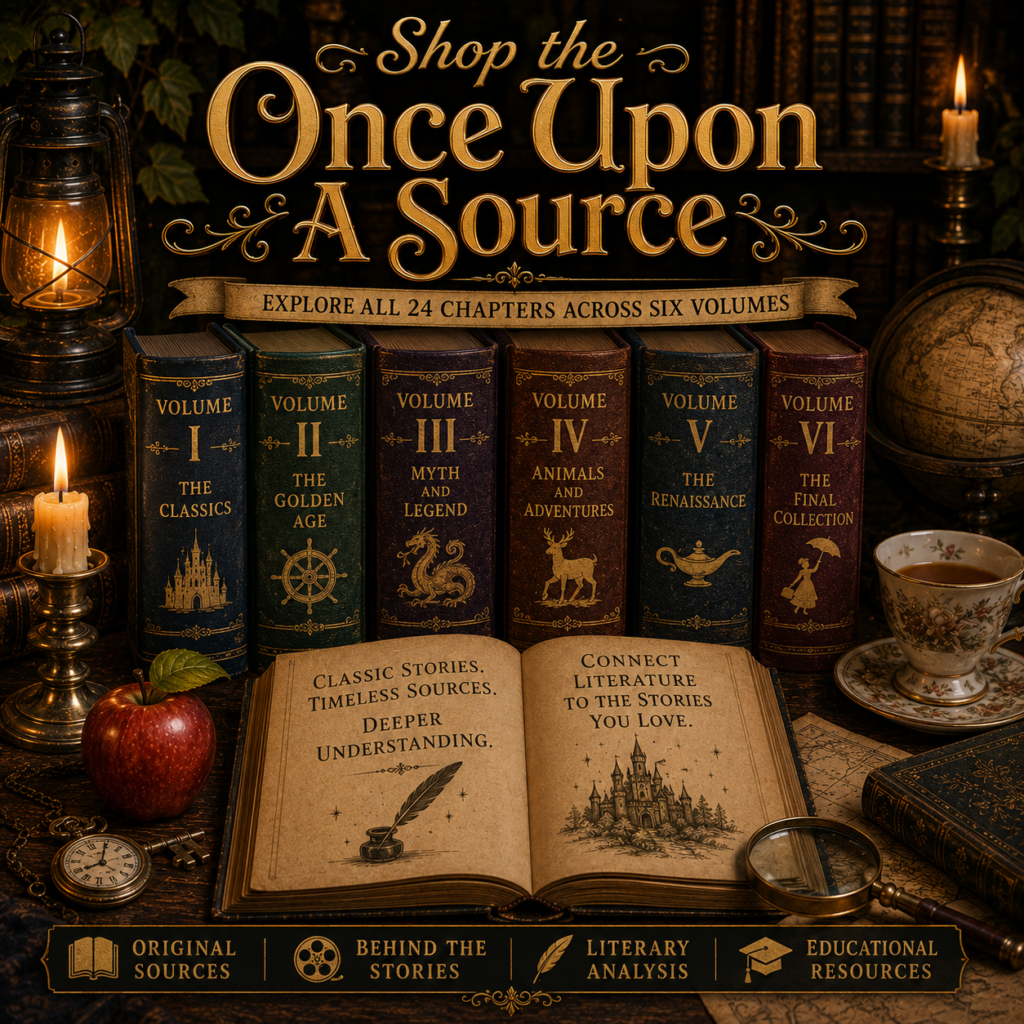
Explore all 24 Once Upon A Source chapters across six volumes, connecting classic literature and original source stories to the films and stories students know and love.
Buy the Book
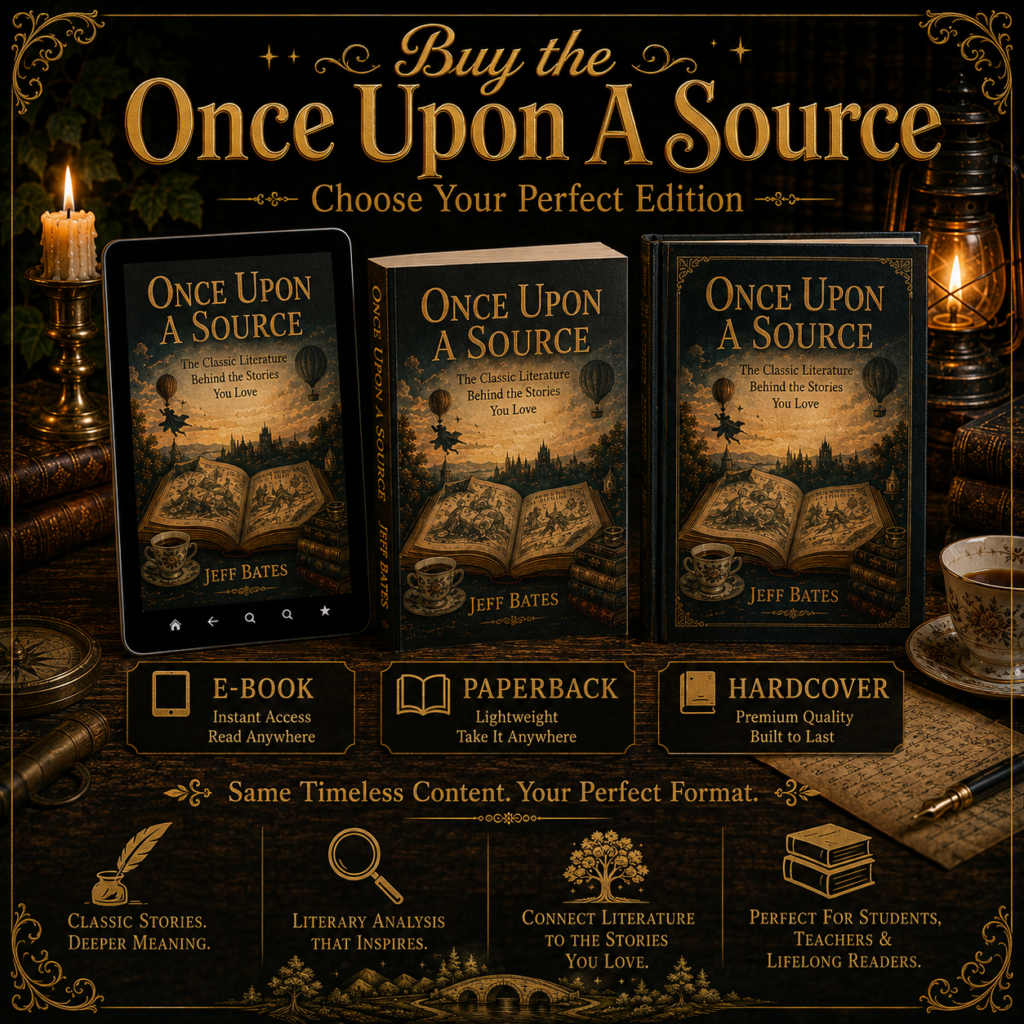
Choose your perfect edition of Once Upon A Source by Jeff Bates—available as an e-book, paperback, or hardcover.
A Few Fun Facts About This Project
- The Brothers Grimm are the most-represented source — Chapters 1, 4, 6, and 19 all draw from their 1812 collection, Kinder- und Hausmärchen.
- Oldest source: The Ballad of Hua Mulan (Chapter 18) — roughly 1,500 years old.
- Newest source: The Chronicles of Prydain (Chapter 22), published 1964.
- Only Shakespeare in the project: The Lion King (Chapter 17), based on Hamlet.
- Only story with no confirmed original manuscript: Aladdin (Chapter 20) — no Arabic manuscript has ever been found.
Go to the Source
Find These Books
Curious to read the original stories yourself? The Find These Books page links to all 25 source works covered in the project — the fairy tales, myths, novels, and poems that started it all.
As an Amazon Associate I earn from qualifying purchases.
Nothing here replaces reading the originals. If a chapter grabs you, track down the source work and read it for yourself—most of these stories are in the public domain and free to find.